Blog
November 23, 2026
 What is liquefaction potential, and why does it belong on a pipeline geohazard screen?
Liquefaction potential for pipeline engineers: what it means for buried steel, how it shows at the surface, and where it fits in a corridor screen.
November 23, 2026
 What is thaw settlement, and why it matters for permafrost pipeline corridors
Thaw settlement puts differential strain into buried pipe across permafrost corridors. How it happens, why a ground walk misses it, and how to screen for it.
November 16, 2026
 Field notes: the year between two flights
What actually happens to a pipeline corridor in the twelve months between annual elevation surveys, and why the gap matters for ranking risk.
November 16, 2026
Frost heave vs. slope creep on a pipeline corridor: how to tell them apartHow to tell frost heave apart from slope creep on a pipeline right-of-way, and why the difference matters for where you send a geotech crew.
November 9, 2026
 How often should a pipeline corridor be reflown for geohazard screening?
How often to reflow a pipeline corridor for geohazard screening, why annual beats quarterly, and how to space elevation differencing passes.
November 9, 2026
 What a ranked corridor segment list is and how integrity teams use it
What a ranked corridor segment list is, how integrity teams use it for geotech dispatch, and why it's a shortlist, not a replacement for walking the ROW.
November 2, 2026
Field notes: the segment that looked fine from the truckA field-notes look at why slow slope creep hides from a windshield survey, and why corridor screening needs more than a visual pass.
November 2, 2026
 What is a geohazard register, and how do pipeline operators keep one current?
What a pipeline geohazard register actually contains, who maintains it, and why the yearly update is the part most operators struggle with.
October 26, 2026
Karst sinkhole risk vs. slope creep on a pipeline geohazard screenHow to tell a karst sinkhole signature from slope creep on a pipeline geohazard screen, and why bedrock context changes the dispatch order.
October 26, 2026
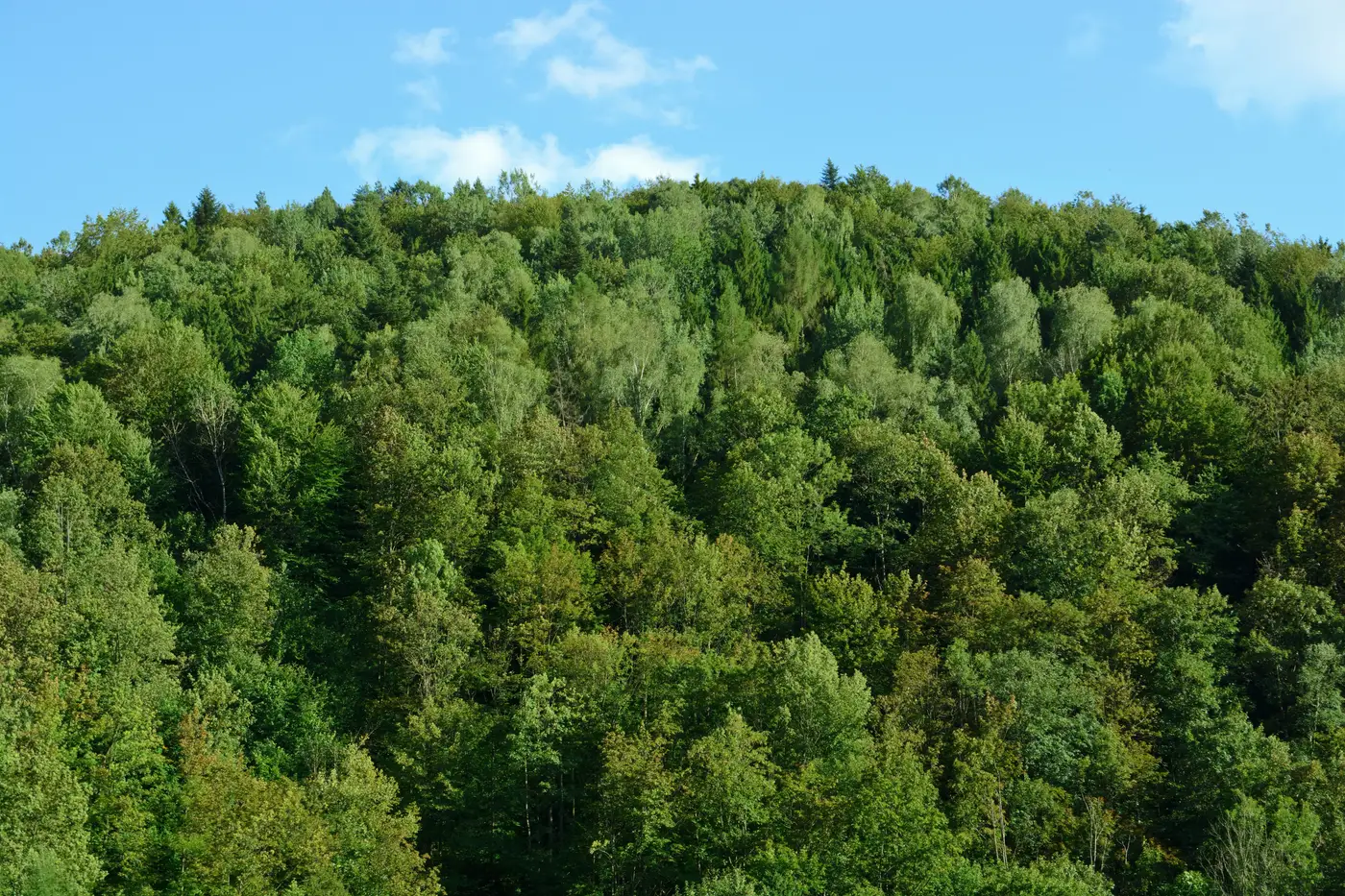 Why InSAR goes dark under tree canopy on a pipeline corridor
Coherence loss is why InSAR struggles on forested right-of-way. Here's what breaks, and why stereo elevation differencing holds up better under canopy.
October 19, 2026
Field notes: the segment that moved two inches, and the ones that didn'tWhy a two-inch elevation change on one corridor segment matters more than a bigger number on another, and how screening data earns that judgment call.
October 19, 2026
How to score a pipeline river crossing for scour risk from satellite imageryA field method for ranking pipeline river crossings by scour risk using stereo-derived satellite elevation differencing, before sending a geotech crew out.
October 14, 2026
How to spot scour at a pipeline stream crossing from satellite imageryHow to read channel migration, bank undercutting and width change on satellite imagery to flag pipeline stream crossings for scour.
October 14, 2026
 What is differential ground movement, and why it matters for buried pipe
Differential ground movement bends buried pipe instead of just loading it. Here's what causes it along a corridor and how it turns into strain.
October 13, 2026
Stereo satellite imagery vs airborne lidar for corridor slope screeningStereo satellite DEM differencing vs airborne lidar for pipeline corridor slope screening: what each method catches, and where they fit together.
October 13, 2026
What is a washout signature in satellite elevation data?A washout signature is a localized elevation drop between two time-stamped DEMs. Here's how it differs from slope creep and how corridor screening spots it.
October 7, 2026
DEM differencing vs InSAR for pipeline slope monitoringHow elevation differencing and InSAR compare for screening pipeline ROW slope movement, and where each method falls short on a real corridor.
October 7, 2026
How to prioritize geotech crew dispatch along a pipeline right-of-wayHow integrity engineers can rank pipeline corridor segments by surface movement before sending a geotech crew to the field.
October 7, 2026
What is a geotechnical hazard ranking for pipeline integrity management?A plain explainer on geotechnical hazard ranking for pipeline integrity management: what it ranks, where the data comes from, and where it fits an IMP.
October 7, 2026
What is a high consequence area in pipeline integrity management?What a high consequence area means under PHMSA rules, and why HCA status alone doesn't tell you where geohazard risk sits on your corridor.